
Transition services for Deaf individuals focus on providing support and training to help them navigate the move from high school into post-secondary education, employment, and independent living.
Transition programs, including Pre-Employment Transition Services (Pre-ETS) and Traditional Adult Services, empower Deaf and Hard of Hearing individuals with the tools for success in education, work, and life.
- Pre-Employment Transition Services (14-21): Tailored for deaf and hard of hearing students, Pre-ETS prepares them for life after high school with job exploration, work-based learning, postsecondary counseling, workplace readiness, and self-advocacy training. These services, offered in collaboration with schools and vocational agencies, provide critical skills and accommodations to ensure a smooth transition to adulthood.
- Traditional Adult Services (18-24): Young deaf and hard of hearing adults receive vocational rehabilitation support, including job placement, skills training, and higher education assistance. These services focus on achieving independence and meaningful employment, with service providers ensuring accessibility and cultural competence.
Educational Services
Educational services play a critical role in helping students transition from school to adulthood. Below are examples of tools provide a framework for addressing individual needs, setting goals, and preparing students for postsecondary education.
- An Individualized Education Program (IEP) is a written plan that outlines a student’s educational program and is designed for students with special education needs. IEP-tailored plans for Deaf and Hard of Hearing students to outline academic and transition goals, accommodations, and services. See below for examples of IEP Transitional Goals.
- 504 Plan: A legal document under Section 504 of the Rehabilitation Act, ensures students with disabilities receive necessary accommodations to access education equally. It supports transition planning by addressing needs like assistive technology, extended time, or self-advocacy training, helping students build skills for postsecondary success. See below for examples of 504 Plan Transitional Goals.
Self-Advocacy
During Transition student’s goal to ability to communicate their wants and needs effectively. Students who can share their interests, desires, and opinions with others clearly are better able to be partners in the post- secondary transition planning process.
- Advocating for Accommodations: Students learn to voice the accommodations or modifications they need to succeed, such as preferred seating, the use of assistive technology, or the provision of a sign language interpreter.
- Setting Personal Goals: Encouraging students to reflect on their own strengths, needs, and goals for postsecondary education or employment. Transition services help students feel more confident in advocating for these goals within their IEP team.
Legal and Advocacy Support:
- Rights Education: Training on legal rights under the ADA, IDEA, and other disability laws.
- Community Advocacy Groups: Partnerships with organizations like the Idaho Association of the Deaf (IAD) and the Council of the Deaf and Hard of Hearing (CDHH) to provide additional resources and support.
Programs
IEP Transition Plan
Including transition in the IEP ensures a legally binding plan that addresses a student’s unique needs for goals encompassing post-secondary education/training, employment, independent living, community involvement, and self-determination. The student should be actively involved in their transition plan and goal setting.
Download PDF
504 Plan Transitional Goals
Including transition in the 504 Plan ensures a legally binding plan that addresses a student’s unique needs for goals encompassing post-secondary education/training, employment, independent living, community involvement, and self-determination. The student should be actively involved in their transition plan and goal setting.
Download PDF
Disability Services Offices
The Disability Services Office in higher education ensures students with disabilities have equal access to resources and accommodations, such as assistive technology, extended testing time, and accessible facilities. It fosters inclusion, supports academic success, and ensures compliance with disability laws like the ADA and Section 504.
Visit Site
Vocational Rehabilitation
Vocational Rehabilitation (VR) can provide financial assistance to eligible deaf and hard of hearing individuals to support their education and training goals. This may include funding for tuition, books, assistive technology, and other necessary expenses to help them succeed in college, vocational programs, or other postsecondary education paths.
Visit Site
Idaho Launch
The Idaho Launch Program provides financial assistance to Idaho residents for education and workforce training in high-demand fields. It offers up to 90% of tuition costs, helping participants gain the skills needed for in-demand careers, with a focus on aligning education and industry needs
Visit Site
Ticket to Work
Program supports career development for people ages 18-64 who receive Social Security disability benefits and want to work. The Ticket Program is free and voluntary. It helps people with disabilities move toward financial independence and connects them with the services and support they need to succeed in the workforce.
Visit Site
Resources
BridgE
Deaf and Hard of Hearing Students age 14-21
Building Resilient Individuals During Guided Education, Employment, and Experience (BridgE) is a residential program offered in Gooding, ID. Participants attend self-advocacy classes M-R and learn basic independent living skills. They are able to earn one hundred hours of paid work-based-learning in partnership with IDVR. For more information and eligibility requirements see IESDB's website.
Download PDF
Work Readiness Camp
Deaf and Hard of Hearing Students age 14-21
Deaf and Hard of Hearing students from around Idaho attend a on week hands-on training and self-advocacy program hosted at the ISDB in June, followed by 80 hours of paid work-based-learning. Training and accommodations provided by IESDB, sponsored through IDVR.
Post-Secondary Transition Program
Deaf and Hard of Hearing Students age 14-21
Deaf and Hard of Hearing students from around Idaho attend a on week hands-on training and self-advocacy program hosted at the ISDB in June, followed by 80 hours of paid work-based-learning. Training and accommodations provided by IESDB, sponsored through IDVR.
Visit Site
- Will move to main tabs–
- Vocational Rehabilitation Services (VR):
Idaho’s Vocational Rehabilitation program offers support for individuals with disabilities, including the Deaf and Hard of Hearing, to gain employment and live independently. They provide:- Job training and placement services
- Assistive technology services
- Workplace accommodations support
- Financial assistance for training, job search, and transportation.
- Idaho School for the Deaf and the Blind (ISDB):
The Idaho School for the Deaf and the Blind (ISDB) provides comprehensive services to Deaf and Hard of Hearing students, including transition planning for students moving from high school to adult life. The school offers:- Transition planning services
- Post-secondary education and career exploration programs.
- Life skills training
- Work-based learning and internships.
The ISDB works with local schools and organizations to ensure students receive the support they need in transitioning to adulthood.
Additional
CDHH
IATP
Deaf Blind Services
ISU DHH services
LINC
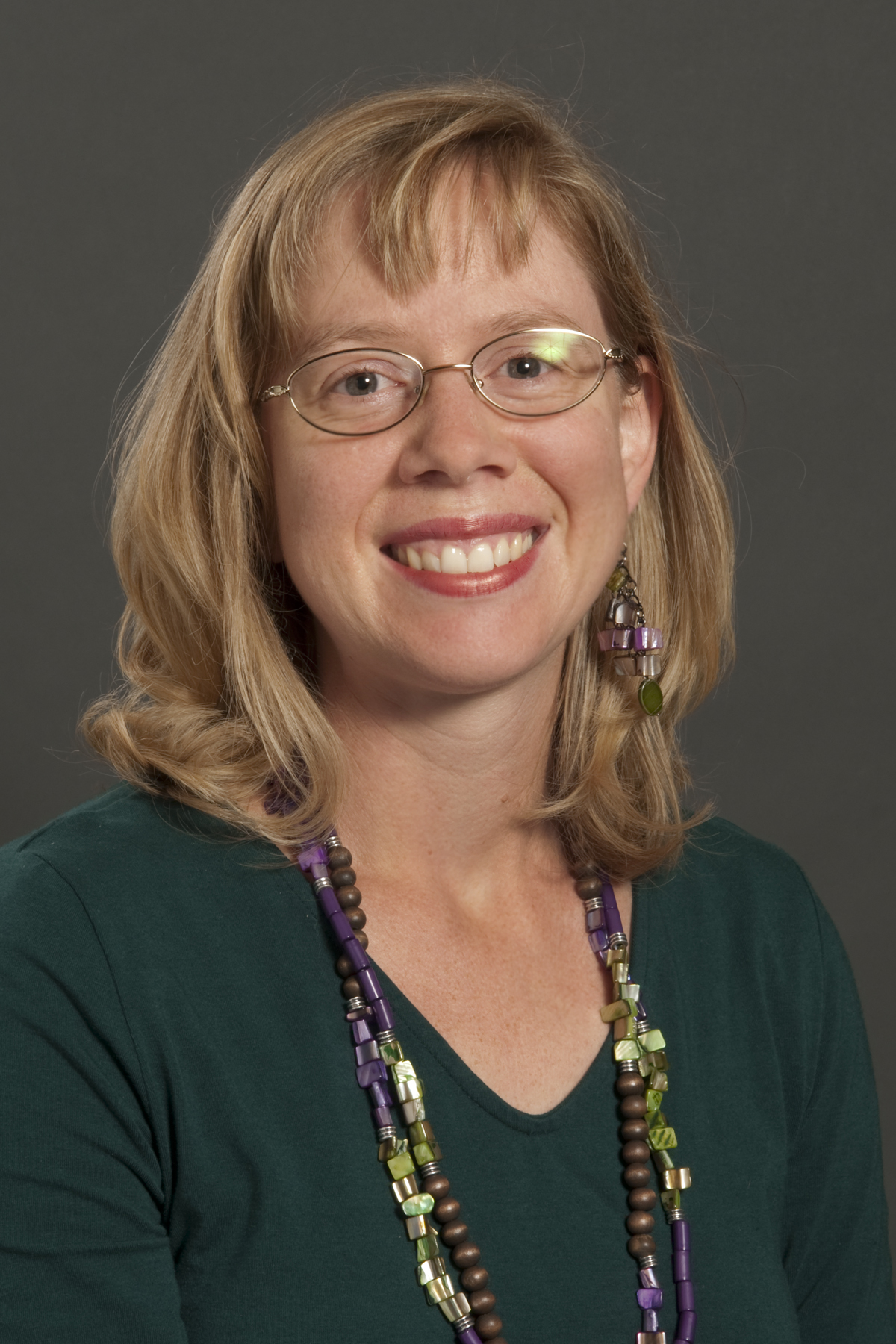
The Post-Secondary Transition Coordinator supports students statewide who are deaf or hard of hearing in transitioning to adulthood by:
• Developing and implementing transition goals in IEPs.
• Assisting with career exploration, job readiness, and higher education planning.
• Referring students to resources for independent living skills like budgeting and self-advocacy.
• Connecting students with community resources, agencies, and accommodations.
• Collaborating with Vocational Rehabilitation and other services for post-secondary success.
Their role ensures students across Idaho are prepared for education, employment, and independent living.
****please add davina’s contact info: davina.snow@iesdb.org mobile: 208-490-3017, 208-639-1665 VP or Voice