
Idaho Natural Disasters

Avalanche
Flooding

WildFire
Blizzard
Earthquakes
Prepare for Emergencies
Sign Up for Accessible Emergency Alerts
- Text-Based Alerts: Register for local emergency notification systems that send text messages or emails during a crisis.
- Wireless Emergency Alerts (WEA): Make sure your phone is set up to receive Wireless Emergency Alerts for severe weather, AMBER alerts, and other emergencies.
- Mobile Apps: Download emergency apps like FEMA, Red Cross, or weather alert apps that offer visual and text-based notifications.
- Social Media: Follow local government agencies or emergency services for updates on platforms like Twitter and Facebook.
- Establish Communication with Emergency Services
Text-to-911: If available in your area, familiarize yourself with text-to-911 services. - Video Relay Services (VRS): Ensure you have access to VRS if needed, allowing you to contact emergency services through a sign language interpreter.
- Emergency Contact List: Create a list of family, friends, and neighbors who are aware of your communication needs and can help relay information in an emergency.
Create a Communication Strategy:
Have multiple ways to communicate during an emergency, including writing notes, gestures, and using technology.
Evacuation Plan:
- Plan multiple escape routes from your home, workplace, and school. Share this plan with your family and support network.
- Safe Locations: Identify safe places to go in different types of emergencies (e.g., shelters, friends’ homes, accessible shelters for DHH individuals).
- Backup Devices**: If possible, have spare hearing aids or devices stored in a safe place.
Create a Personal Emergency Kit
Visit Ready.gov to develop your basic kit.
Visit SILC for an emergency plan template.
Add to your kit any items specific to your communication and hearing needs:
- Communication Tools
- Pen and paper or a dry-erase board for quick written communication.
- A tablet or smartphone with communication apps (like text-to-speech or video relay services).
- Assistive Devices
- Extra hearing aid or cochlear implant batteries.
- Waterproof cases for hearing devices.
- Power banks or portable chargers to keep devices charged.
- Emergency Information Cards: Carry laminated cards with critical information such as
- Medical conditions
- Emergency contacts
- Preferred communication methods (e.g., text messaging, sign language, written notes).
Prepare Your Home
- Install smoke and carbon monoxide detectors with visual strobe lights and vibrating alarms.
Consider using vibrating bed alarms or pagers to wake you during an emergency. Please see Red Cross for free alarms. - Emergency Information Display: Post emergency plans and contact information in visible locations in your home for quick reference.
- Accessible Exits: Identify and clear emergency exits in your home, ensuring they are accessible, especially if communication assistance will be needed.
Health
In the wake of natural disasters there are many organizations and grants available to help individuals with medical and mental health recovery. This may be done through direct provision of free or low cost services, full or partial reimbursement medical expenses incurred, or through other means. Some resources are listed below, but for a comprehensive list of what may be available to you, contact your local authorities.
CDC Natural Disasters and Severe Weather. A disaster or tragedy often brings out strong emotions, such as as anxiety, worry and anger, and people may want to help in dealing with their feelings.
The Disaster Distress Helpline (1-800-985-5990) provides confidential counseling, referrals, and other support, 24 hours a day, seven days a week.
Belongings
In the wake of natural disasters there are many organizations and grants to help individuals and businesses recover or replace items lost or destroyed. This may be done through direct donations, full or partial reimbursement for replacement goods, or through other means. Some resources are listed below, but for a comprehensive list of what may be available to you, contact your local authorities.
Goodwill: Goodwill offers free clothing and household items through community referral programs. They also provide vouchers to disaster victims to access necessary goods at their thrift stores.
Learn more at Goodwill’s website.
St. Vincent de Paul: This organization offers free clothing, food, and household goods to those in need, including disaster survivors. They operate thrift stores where individuals may receive vouchers for necessary items.
Learn more at St. Vincent de Paul’s website.
Salvation Army Disaster Recovery Services: The Salvation Army offers a comprehensive disaster response, including providing food, water, shelter, and emotional support. They also assist with long-term recovery efforts, helping with home repairs, financial aid, and job training.
Learn more information at Salvation Army Disaster Recovery Services website.
Financial
In the wake of natural disasters there are many organizations and grants available to help individuals and businesses recover financially. There may be compensation available for time spent unable to work, tax incentives, etc. Some resources are listed below, but for a comprehensive list of what may be available to you, contact your local authorities.
FEMA Individuals and Households Program (IHP):
This program provides financial help to individuals recovering from a federally declared disaster. This includes help for temporary housing, medical expenses, and other disaster-related needs. Deaf individuals can request communication accommodations such as video relay services.
Apply through FEMA’s IHP page.
Disaster Supplemental Nutrition Assistance Program (D-SNAP): provides food assistance to low-income households during a disaster. This temporary program helps individuals impacted by emergencies with food purchases.
Learn more at D-SNAP website.
Idaho Office of Emergency Management (IOEM):
Idaho residents impacted by disasters can receive financial assistance through state and federal programs coordinated by IOEM. Services include housing assistance, crisis counseling, and unemployment benefits for those impacted by disasters.
Learn more at IOEM website.
Idaho Disaster Unemployment Assistance (DUA):
Administered by the Idaho Department of Labor, this program provides unemployment benefits to individuals who lose work due to a declared disaster. Deaf individuals can request accommodations.
Apply through the Idaho Department of Labor page.
Environmental Assets
In the wake of natural disasters there are many organizations and grants to help individuals and businesses recover from environmental and structural damages. Assistance may be available through environmental cleanup efforts, physical or monetary assistance with rebuilding, or through other means. Some resources are listed below, but for a comprehensive list of what may be available in your situation, contact your local authorities.
USDA Emergency Conservation Program (ECP): This program helps farmers and ranchers restore farmland that has been damaged by natural disasters. It provides financial assistance for repairing and rehabilitating farmland to bring it back to production.
Learn more at USDA Emergency Conservation Program (ECP) website.
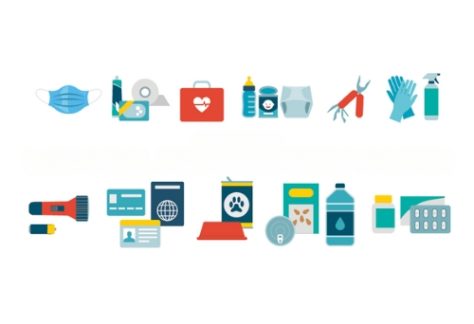
National Preparedness Month is an observance each September to raise awareness about the importance of preparing for disasters and emergencies that could happen at any time!